Best Hair Loss Treatments for Women
Hair loss is often associated with men, but women can experience hair thinning, excessive shedding, widening hair parts, and noticeable loss of hair density at almost any stage of life. For many women, seeing more hair than usual on a pillow, in the shower, or on a hairbrush can be stressful and emotionally frustrating.
The good news is that female hair loss can often be treated or managed effectively, particularly when the underlying cause is identified early. From topical treatments and PRP therapy to microneedling and hair transplantation, today’s hair restoration options offer several approaches depending on the type and severity of hair loss.
At Hello Esthetics, the focus is on understanding individual hair concerns and developing personalized solutions rather than treating every case in exactly the same way.
What Causes Hair Loss in Women?
Before choosing the best hair loss treatment for women, it is important to understand why the hair is thinning. Female hair loss can have several causes.
Female Pattern Hair Loss
Female pattern hair loss, also called female androgenetic alopecia, is one of the most common causes of hair thinning in women. It typically appears as a widening part and gradual thinning across the top of the scalp rather than complete baldness.
Genetics and hormonal changes can contribute to this condition. It may become more noticeable during midlife, menopause, or other periods of hormonal change.
Hormonal Changes
Pregnancy, childbirth, menopause, and certain hormonal conditions can affect the hair growth cycle. Some women experience significant shedding several months after childbirth, while others notice progressive thinning around menopause.
Nutritional Deficiencies
Insufficient iron, zinc, protein, or other nutrients may contribute to hair shedding. However, supplements should ideally be taken when a deficiency has been identified rather than simply assuming that vitamins are the cause.
Stress and Illness
Significant physical or emotional stress, illness, surgery, rapid weight loss, or major lifestyle changes can sometimes trigger temporary excessive shedding known as telogen effluvium.
Hairstyles and Hair Damage
Repeatedly wearing very tight hairstyles or using excessive heat and harsh chemical treatments can damage hair and, in some cases, contribute to hair loss. Dermatologists may recommend modifying damaging hair-care practices when they are contributing to the problem.
Best Hair Loss Treatments for Women
There is no single best treatment for female hair loss because the ideal option depends on the cause, pattern, severity, scalp condition, and individual goals.
Here are some commonly considered approaches.
1. Minoxidil for Female Hair Loss
Minoxidil is one of the most established medical treatments for female pattern hair loss. Topical minoxidil is FDA-approved for treating female pattern hair loss and is among the most recommended treatments for this condition.
It works by helping stimulate hair growth and maintain existing hair follicles.
Women may use different concentrations and formulations depending on medical advice and the specific product. Results are not immediate. It can take several months before improvement becomes noticeable, with approximately 6–12 months often needed to properly assess the response.
An important point is consistency. If minoxidil is effective, continued use is generally required to maintain its benefits.
Because minoxidil isn’t suitable for everyone, women who are pregnant, planning pregnancy, or breastfeeding should discuss its use with an appropriate healthcare professional.
2. PRP Therapy for Hair Loss
Platelet-Rich Plasma (PRP) therapy for hair loss has become a popular non-surgical hair restoration option.
PRP uses a patient’s own blood. A small blood sample is processed to concentrate platelets, and the resulting plasma is carefully administered into areas of the scalp experiencing thinning.
The objective is to support the scalp environment and encourage healthier hair growth.
Research and dermatology literature indicate that PRP may be useful for female pattern hair loss, although treatment protocols and results can vary. The American Academy of Dermatology notes evidence supporting PRP and suggests it may be most useful as part of a broader treatment strategy.
At Hello Esthetics, PRP can be considered for women looking for a non-surgical treatment for thinning hair, depending on their individual condition.
3. Microneedling for Hair Regrowth
Microneedling for hair loss involves creating controlled microscopic channels in the scalp using a specialized device.
This procedure is being studied as a supportive treatment for hair growth, particularly when combined with other therapies.
Current dermatology literature reports evidence for microneedling in female pattern hair loss, although more research is still needed to establish standardized treatment protocols.
The major advantage is that microneedling can potentially be incorporated into a comprehensive hair restoration plan rather than being viewed as a standalone solution.
4. Low-Level Light Therapy
Low-level light therapy, sometimes called LLLT or red-light hair therapy, is another non-invasive option that has attracted attention for hair thinning.
Specialized devices deliver low-level light to the scalp with the goal of supporting hair follicles.
The evidence is promising, but outcomes can vary between individuals and devices. The American Academy of Dermatology reports that low-level laser/light therapy has shown potential for hereditary hair loss.
For women who want a non-surgical approach, it may be discussed as part of a personalized hair-loss strategy.
5. Prescription Treatments for Female Hair Loss
Some women with female pattern hair loss may benefit from prescription medications.
For example, spironolactone is sometimes prescribed for female pattern hair loss, particularly when hormonal factors may be involved. It can help reduce further hair loss and potentially improve hair thickness.
Low-dose oral minoxidil is another treatment increasingly discussed by dermatologists. However, it is an off-label treatment for hair loss and can have potential side effects, so it should only be considered under appropriate medical supervision.
Some antiandrogen medications may also be considered in selected patients. Their suitability depends on factors such as age, health, pregnancy considerations, and the suspected cause of hair loss.
Never start prescription hair-loss medication without professional medical advice.
6. Hair Transplantation for Women
For women with significant, stable hair loss and sufficient donor hair, female hair transplantation may be an option.
Unlike temporary cosmetic solutions, a hair transplant involves moving hair follicles from a donor area to areas with insufficient density.
Modern hair restoration techniques can be used to create a natural-looking hairline or improve density in carefully selected candidates.
However, not every woman experiencing hair shedding is a good candidate for a hair transplant. A proper assessment is essential because certain types of inflammatory or scarring alopecia require medical treatment rather than transplantation.
Early diagnosis is particularly important because once follicles become severely damaged or shrink significantly, restoring their original function may become more difficult.
At Hello Esthetics, women considering hair restoration can explore whether a surgical or non-surgical approach better matches their individual concerns.
7. Treating Nutritional Causes
Sometimes the solution isn’t another hair product—it is addressing an underlying deficiency.
If a woman has excessive shedding, a healthcare professional may evaluate potential nutritional or medical contributors. Depending on the situation, testing may be recommended for factors such as iron status or other relevant deficiencies.
The American Academy of Dermatology advises against taking high-dose supplements such as iron, zinc, or biotin without identifying a deficiency because excessive amounts can cause problems.
A balanced diet containing adequate protein, vegetables, fruits, healthy fats, and essential nutrients can support overall hair health.
How to Choose the Best Hair Loss Treatment
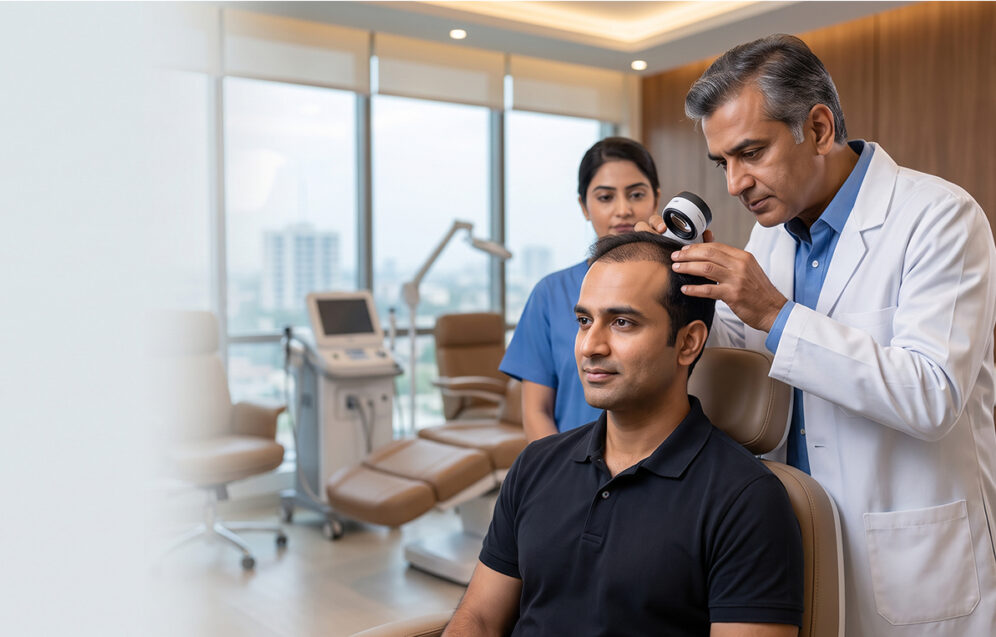
Choosing the best hair regrowth treatment for women starts with identifying the reason behind the hair loss.
A professional evaluation may consider:
- When the hair loss started
- Whether shedding is sudden or gradual
- Family history of hair loss
- Menstrual or hormonal changes
- Recent pregnancy or childbirth
- Diet and weight changes
- Medications
- Scalp health
- Hair-care habits
- Pattern of thinning
- Available donor hair
This distinction is important because female pattern hair loss, telogen effluvium, alopecia areata, traction alopecia, and scarring alopecia do not necessarily require the same treatment.
The American Academy of Dermatology emphasizes that accurate diagnosis should come before selecting a hair-loss treatment because different causes can look similar but require different management.
How to Prevent Hair Loss From Getting Worse
Although not every form of hair loss can be prevented, women can take practical steps to protect existing hair.
Avoid Excessive Heat
Frequent straightening, curling, and high-temperature blow-drying can weaken hair.
Avoid Tight Hairstyles
Regularly pulling the hair tightly into ponytails, braids, or buns can place stress on the follicles.
Be Gentle With Wet Hair
Wet hair is more vulnerable to breakage, so aggressive brushing should be avoided.
Maintain a Balanced Diet
Adequate protein and essential nutrients are important for normal hair growth.
Manage Stress
Stress does not explain every case of hair loss, but significant stress can contribute to excessive shedding in some women.
Seek Help Early
One of the biggest mistakes women make is waiting until substantial thinning has occurred. For progressive hair loss, early evaluation can help determine whether treatment can slow progression and preserve existing hair.
Why Choose Hello Esthetics for Women’s Hair Loss Treatment?
Hair loss can affect confidence, appearance, and quality of life. At Hello Esthetics, the goal is to approach hair restoration with a personalized strategy rather than promising an identical result for every patient.
Depending on the individual’s condition, available options may include PRP hair treatment, hair restoration procedures, microneedling, and other clinically guided approaches.
The right treatment depends on the cause and stage of hair loss. A professional consultation can help determine whether a woman may benefit from a non-surgical treatment plan or whether a more advanced hair restoration procedure should be considered.
Most importantly, women should be cautious about products that promise instant hair regrowth. Hair follicles operate according to natural growth cycles, meaning legitimate treatments generally require patience and consistency.
When Should Women See a Hair Loss Specialist?
Consider seeking professional advice if you notice:
- Sudden or severe hair shedding
- A rapidly widening hair part
- Visible scalp through thinning hair
- A significantly thinner ponytail
- Bald patches
- Hair loss accompanied by scalp irritation
- Hairline changes
- Hair loss after major hormonal changes
- Persistent shedding lasting several months
The earlier the cause is identified, the sooner an appropriate treatment strategy can be considered.
Final Thoughts
The best hair loss treatment for women isn’t necessarily the newest or most expensive procedure. It is the treatment that matches the underlying cause of hair loss and the patient’s individual needs.
Options such as minoxidil, PRP therapy, microneedling, low-level light therapy, prescription treatments, nutritional correction, and hair transplantation may have a role in different situations. Current dermatology guidance supports early diagnosis and individualized treatment, particularly for female pattern hair loss.
If you’re experiencing thinning hair, don’t wait until hair loss becomes severe. Hello Esthetics can help you explore appropriate hair restoration options and develop a treatment approach based on your individual hair and scalp concerns.
Healthy-looking hair begins with understanding the reason behind the loss—and choosing the right treatment at the right time.