How Long Does Skin Whitening Last?
Many people searching for skin whitening treatment, skin brightening in Islamabad, or skin pigmentation treatment in Pakistan have the same important question: How long does skin whitening last?
The answer depends on what is meant by “skin whitening.” Professional skin treatments generally focus on reducing the appearance of hyperpigmentation, dark spots, uneven skin tone, sun damage, melasma, and dullness rather than permanently changing a person’s natural skin color.
At Hello Esthetics, the focus should be on healthier-looking, more even, radiant skin through professionally selected treatments and an appropriate skincare routine. The longevity of results depends on the treatment used, the cause of pigmentation, sun exposure, skincare habits, hormones, skin type, and how consistently the skin is protected after treatment.
Some people may notice an improvement in brightness after a single treatment, while pigmentation concerns often require multiple sessions and ongoing maintenance. Even after successful treatment, new pigmentation can develop if the underlying triggers are not controlled.
The American Academy of Dermatology notes that dark spots can take months to fade and that effective treatment begins with identifying the cause and protecting the skin from sunlight.
This comprehensive guide explains how long skin whitening lasts, what affects the results, common skin brightening treatments, how to maintain results, and what to consider before choosing a skin whitening clinic in Islamabad.
What Does Skin Whitening Actually Mean?
The term skin whitening is commonly used in beauty and skincare marketing, but professionally, treatment is usually focused on improving uneven pigmentation rather than changing someone’s natural complexion.
Skin brightening treatments may target concerns such as:
- Hyperpigmentation
- Dark spots
- Sun spots
- Melasma
- Post-acne marks
- Uneven skin tone
- Dull-looking skin
- Sun damage
- Certain types of discoloration
Melanin is the natural pigment responsible for skin color. When melanin production becomes uneven or excessive in certain areas, darker patches or spots can develop.
Professional skin brightening treatment aims to improve the appearance of this uneven pigmentation while supporting overall skin health.
For this reason, a realistic treatment goal is usually brighter, more even-toned and healthier-looking skin, rather than permanent alteration of natural skin color.
How Long Does Skin Whitening Last?
There is no single duration that applies to every skin whitening or brightening treatment.
The longevity of results can vary from several weeks to several months or longer, depending on the procedure and the individual’s skin.
Several factors influence how long results remain visible:
- Type of treatment
- Severity of pigmentation
- Cause of pigmentation
- Skin type
- Sun exposure
- Hormonal changes
- Skincare routine
- Use of sunscreen
- Lifestyle
- Maintenance treatments
For example, someone who consistently uses sun protection and follows an appropriate skincare routine may maintain an even skin tone longer than someone who spends significant time outdoors without adequate protection.
The American Academy of Dermatology explains that some dark spots may naturally take 6 to 12 months to fade once the cause has been addressed, while deeper discoloration can take considerably longer. Treatment may accelerate fading.
Therefore, the question should not only be “How long does skin whitening last?” but also “How can I maintain brighter and more even-looking skin?”
Why Do Skin Brightening Results Fade?
Skin naturally continues to respond to environmental and internal factors after a cosmetic treatment.
One of the biggest contributors to recurring pigmentation is sunlight.
Ultraviolet radiation can stimulate pigment production and worsen certain pigmentation conditions. Visible light can also contribute to melasma, particularly in people with darker skin tones.
The American Academy of Dermatology recommends broad-spectrum, water-resistant sunscreen with SPF 30 or higher and notes that tinted sunscreen containing iron oxides can provide additional protection against visible light for people dealing with melasma or hyperpigmentation.
Other factors that may contribute to pigmentation returning include:
- Frequent sun exposure
- Hormonal changes
- Acne and inflammation
- Skin irritation
- Picking or scratching the skin
- Certain medications
- Inappropriate skincare products
- Inconsistent sunscreen use
This is why skin whitening maintenance is just as important as the initial treatment.
Professional Skin Brightening at Hello Esthetics
At Hello Esthetics, a professional approach to skin brightening should begin with understanding the patient’s skin concerns rather than selecting a treatment based solely on the word “whitening.”
A consultation can help determine whether the main concern is:
- Hyperpigmentation
- Melasma
- Acne marks
- Sun damage
- Uneven complexion
- Dullness
- Dehydrated skin
- Post-inflammatory pigmentation
Different concerns may require different approaches.
For someone searching for skin whitening treatment in Islamabad, skin brightening treatment Islamabad, or pigmentation treatment Islamabad, a consultation can help establish realistic expectations and determine which treatment may be appropriate.
Common Skin Brightening Treatments
There are several professional treatments that may be used to improve the appearance of uneven skin tone and pigmentation.
The appropriate choice depends on the individual’s skin condition and medical assessment.
1. Chemical Peels
A chemical peel uses a professionally selected chemical solution to exfoliate layers of the skin.
Depending on the type and strength, chemical peels may help improve the appearance of:
- Uneven skin tone
- Certain dark spots
- Acne-related discoloration
- Dull skin
- Rough texture
Different acids and formulations are used for different concerns.
Common ingredients used in professional peeling treatments can include glycolic acid, salicylic acid, lactic acid, and other agents.
The number of sessions required varies depending on the patient’s skin and the treatment plan.
How Long Do Chemical Peel Results Last?
The improvement from a chemical peel is not necessarily permanent.
As the skin continues its natural renewal process and is exposed to environmental factors, pigmentation and dullness may gradually return.
Maintenance treatments may sometimes be recommended depending on the individual’s needs.
2. Carbon Laser Treatment
Carbon laser facial treatment, sometimes marketed as a carbon peel or carbon laser facial, is another popular aesthetic treatment.
It may be used to improve the appearance of:
- Dull skin
- Uneven complexion
- Excess oil
- Enlarged-looking pores
- Mild pigmentation concerns
- Rough skin texture
A carbon-based product is applied to the skin and then treated with a laser under professional supervision.
The visible improvement may include a fresher and brighter appearance, but results are not permanent.
How Long Does Carbon Laser Brightening Last?
Results can vary depending on skin condition and lifestyle.
Some people may notice a brighter appearance shortly after treatment, while maintaining the improvement may require an appropriate skincare routine and periodic treatments.
Sun protection remains essential.
3. Microneedling
Microneedling uses controlled microscopic punctures to stimulate the skin’s natural repair process.
It may be used for concerns including:
- Acne scars
- Uneven texture
- Certain pigmentation concerns
- Fine lines
- Overall skin rejuvenation
Microneedling is not simply a “whitening” procedure. Its potential benefits are broader and depend on the patient’s skin condition and treatment plan.
A qualified professional should determine whether it is appropriate for an individual’s pigmentation concern.
4. Vitamin C and Professional Brightening Care
Vitamin C is widely used in skincare because it can support a brighter-looking complexion and help address uneven pigmentation.
The American Academy of Dermatology lists vitamin C among ingredients that may help fade dark spots. Other ingredients it identifies include azelaic acid, glycolic acid, kojic acid, and retinoids.
However, stronger does not automatically mean better.
Using too many active ingredients at once can irritate the skin, and irritation itself may contribute to additional pigmentation.
A carefully designed skin brightening skincare routine is generally preferable to aggressive experimentation.
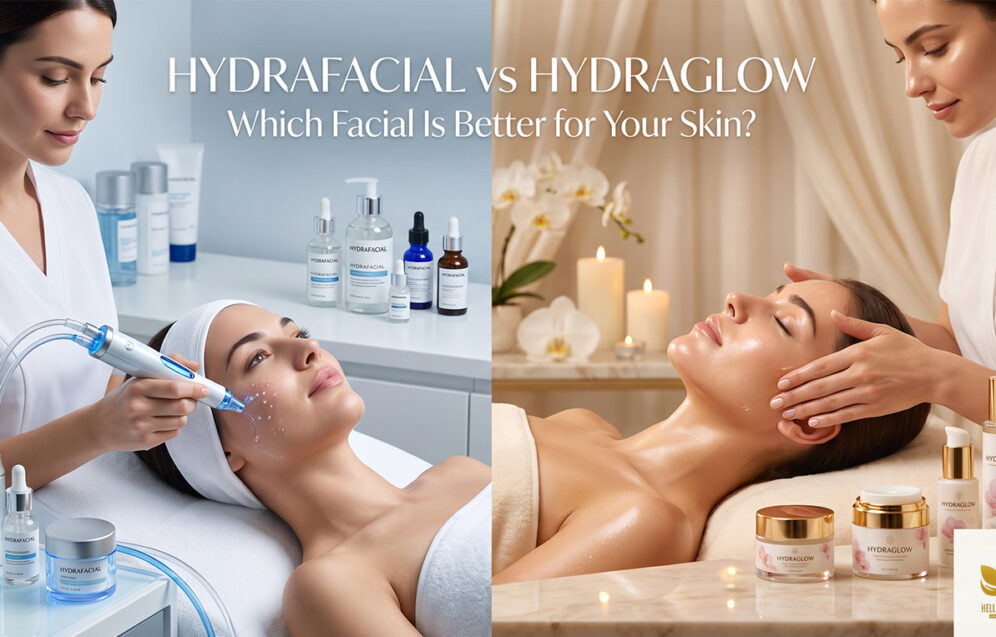
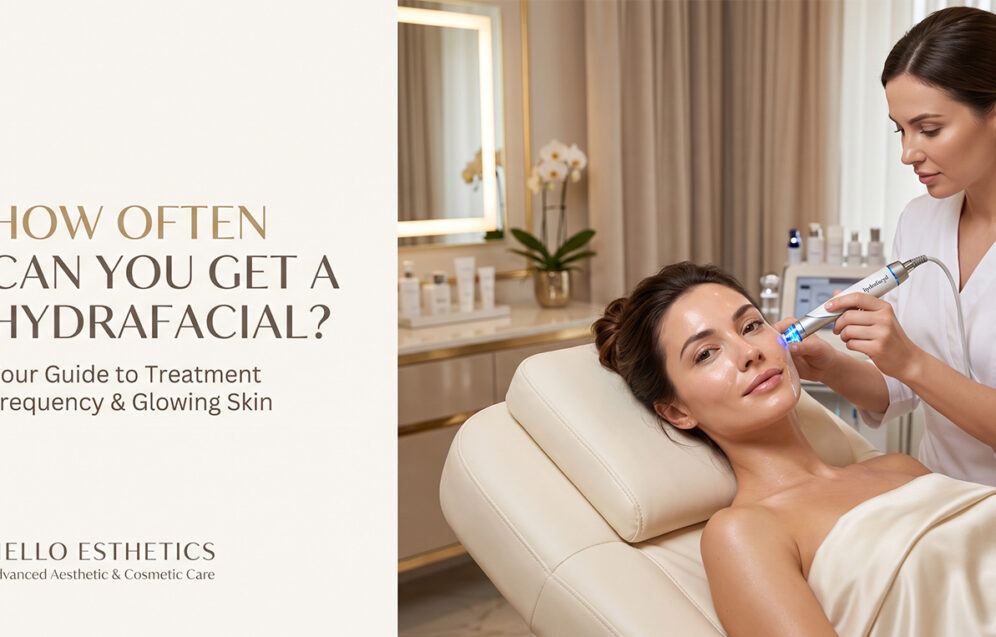
5. HydraFacial and Skin Glow Treatments
HydraFacial-style treatments are commonly chosen by people looking for a refreshed and brighter-looking complexion.
These treatments generally focus on cleansing, exfoliation, extraction, and hydration.
They may be particularly appealing before:
- Weddings
- Events
- Parties
- Photography
- Special occasions
The glow from a facial treatment is generally temporary and depends on the individual’s skin and lifestyle.
For long-term improvement, maintenance skincare and sun protection remain important.
Is Skin Whitening Permanent?
For most cosmetic brightening treatments, permanent skin whitening should not be promised.
The skin continues to produce melanin throughout life, and pigmentation can return when the factors responsible for it are still present.
For example, if sun exposure contributed to pigmentation before treatment, continued unprotected sun exposure can encourage pigmentation to return.
Similarly, if acne causes repeated inflammation and dark marks, treating only existing pigmentation without controlling acne may result in new marks.
Therefore, successful skin brightening should be viewed as a long-term skin management process rather than a one-time permanent transformation.
The Importance of Sunscreen After Skin Brightening
If you are investing in skin whitening treatment in Islamabad, sunscreen should be one of the most important parts of your maintenance routine.
Sun exposure can contribute to pigmentation and may reduce the visible benefits of professional treatment.
Dermatologists recommend broad-spectrum SPF 30 or higher. For melasma and certain pigmentation concerns, tinted sunscreen containing iron oxides may offer additional protection from visible light.
Practical Sun Protection Tips
Use sunscreen:
- Every morning
- Before outdoor activities
- On exposed areas
- After sweating or swimming
- As directed on the product
When spending extended periods outdoors, also consider:
- Hats
- Sunglasses
- Protective clothing
- Shade
- Limiting prolonged midday sun exposure
The AAD recommends reapplying sunscreen approximately every two hours while outdoors and after swimming or sweating.
Can Skin Brightening Results Last Longer?
Yes, there are practical steps that may help maintain an even-looking complexion.
1. Use Sunscreen Consistently
This is one of the most important habits for people concerned about pigmentation.
2. Follow a Gentle Skincare Routine
Avoid unnecessarily harsh products.
The AAD recommends gentle skincare because irritation can contribute to the development of dark spots.
3. Avoid Picking Acne
Picking pimples can increase inflammation and contribute to post-inflammatory pigmentation.
4. Follow Your Clinic’s Instructions
After professional treatments, follow the specific aftercare instructions provided by your clinician.
5. Schedule Maintenance Treatments When Appropriate
Some patients may benefit from periodic professional treatments depending on their skin condition.
6. Address the Underlying Cause
If pigmentation is related to acne, inflammation, hormones, medication, or another skin condition, treating the underlying problem can be important for maintaining results.
Skin Whitening vs Skin Brightening
These terms are sometimes used interchangeably, but there is an important distinction.
Skin whitening is commonly used in commercial marketing to describe treatments intended to make skin appear lighter.
Skin brightening more accurately describes treatments intended to improve the appearance of dullness, uneven tone, and pigmentation.
A medically responsible approach should focus on:
- Even skin tone
- Healthy skin
- Reduced appearance of pigmentation
- Improved texture
- Radiance
- Natural-looking results
The goal should not be to erase or reject a person’s natural complexion.
How Long Does Pigmentation Treatment Take to Work?
The answer varies according to the type and depth of pigmentation.
Some superficial concerns may appear improved relatively quickly, while deeper pigmentation can take considerably longer.
The AAD explains that dark spots may take 6 to 12 months to fade once the underlying cause is addressed, with deeper discoloration potentially taking years.
Professional treatment may accelerate the process, but patients should avoid expecting overnight results.
A realistic pigmentation treatment plan may involve several sessions combined with home skincare and sun protection.
Factors That Affect Skin Whitening Results
Several individual factors influence how long brightening results remain visible.
Skin Type
Different skin types respond differently to pigmentation treatments.
People with darker skin tones may have a higher tendency toward post-inflammatory hyperpigmentation after irritation or injury, making treatment selection particularly important.
Type of Pigmentation
Melasma, acne marks, sun spots, and other forms of pigmentation can behave differently.
Treatment Type
A facial, peel, laser treatment, or microneedling procedure has a different mechanism and expected duration.
Lifestyle
Frequent outdoor activity without adequate sun protection can make pigmentation more likely to return.
Skincare
A consistent and gentle routine can support maintenance.
Hormonal Factors
Some pigmentation conditions, such as melasma, can be influenced by hormonal factors and may recur even after successful treatment.
Why Professional Treatment Is Better Than Random Whitening Products
The market contains countless creams and products promising rapid whitening.
However, consumers should be careful with products that promise dramatic or instant changes.
The FDA warns about potentially harmful skin-lightening products containing mercury or hydroquinone and advises consumers to discuss treatment options with a healthcare professional.
The FDA has also recently identified specific skin-lightening products containing high levels of mercury and/or hydroquinone, including products sold online and products associated with multiple countries, reinforcing the importance of checking ingredients and using reputable products.
Some unregulated products may cause:
- Skin irritation
- Rashes
- Facial swelling
- Skin thinning
- Uneven pigmentation
- Permanent discoloration
- Other health problems
The FDA specifically warns against mercury-containing products and notes that repeated exposure can allow mercury to enter the bloodstream and cause serious health problems.
This is one reason professional skin whitening treatment in Pakistan should be approached through qualified medical or aesthetic professionals rather than unverified creams.
What to Expect at a Skin Brightening Consultation
A professional consultation can help establish the right treatment approach.
During a consultation, the clinician may consider:
- Skin type
- Pigmentation pattern
- Medical history
- Current skincare
- Previous treatments
- Sun exposure
- Acne
- Sensitivity
- Desired results
Based on the assessment, the clinician can recommend an appropriate approach.
For someone searching for skin whitening clinic Islamabad, skin brightening clinic Islamabad, or pigmentation treatment Islamabad, this consultation is an important step before selecting a procedure.
Skin Brightening for Special Events
Many people schedule aesthetic treatments before important occasions.
Common examples include:
- Weddings
- Engagements
- Parties
- Corporate events
- Photoshoots
- Eid celebrations
- Vacations
If you are planning a treatment before an event, avoid scheduling an unfamiliar aggressive procedure immediately before the occasion.
Some treatments can temporarily cause:
- Redness
- Sensitivity
- Peeling
- Dryness
- Swelling
Your clinician can advise you about appropriate timing.
Common Mistakes After Skin Whitening Treatment
Even a well-performed treatment may produce disappointing results if aftercare is neglected.
Common mistakes include:
Skipping Sunscreen
One of the biggest mistakes is failing to protect the skin from UV and visible light.
Over-Exfoliating
Using multiple exfoliating products can irritate the skin.
Trying Too Many Products
Combining several strong active ingredients without professional guidance can cause irritation.
Using Unverified Whitening Creams
Unregulated products may contain potentially harmful ingredients.
Expecting Permanent Results
Skin requires ongoing care.
Ignoring Recurring Pigmentation
If dark spots repeatedly return, the underlying cause should be evaluated rather than repeatedly treating the pigmentation alone.
Frequently Asked Questions
How long does skin whitening last?
There is no universal timeframe. Professional brightening results can last for varying periods depending on treatment type, pigmentation, sun exposure, skincare, and individual skin characteristics.
Is skin whitening permanent?
Most cosmetic skin-brightening treatments do not permanently change natural skin color. Pigmentation can return if triggering factors continue.
How many sessions are required?
The number of sessions depends on the treatment and the individual’s skin condition. Some people may need one treatment, while pigmentation concerns may require a series.
Can sunscreen help maintain skin brightening results?
Yes. Sunscreen is an important part of preventing and managing pigmentation. Dermatologists recommend broad-spectrum SPF 30 or higher, with tinted iron-oxide sunscreen potentially providing additional protection from visible light for certain pigmentation concerns.
Can I use whitening creams after treatment?
Only use products recommended or approved by your healthcare professional for your specific skin condition. Avoid unlabelled or suspicious products.
Is skin brightening safe?
The safety of a treatment depends on the specific procedure, the patient’s skin, the products used, and how the treatment is performed. A qualified professional should determine whether a particular treatment is suitable.
Can dark spots come back after treatment?
Yes. Pigmentation can recur, particularly when triggers such as sun exposure, inflammation, or certain hormonal factors continue.
Why Choose Hello Esthetics for Skin Brightening?
For people researching skin whitening in Islamabad, skin brightening treatment Islamabad, pigmentation treatment Islamabad, or aesthetic clinic Islamabad, Hello Esthetics can be positioned around a personalized approach to aesthetic skincare.
Rather than promising unrealistic permanent whitening, the focus should be on helping clients understand their skin concerns and choosing treatments designed to improve the appearance of uneven tone, pigmentation, dullness, and overall skin quality.
A professional consultation can help determine which treatment may be appropriate based on individual skin characteristics and goals.
The ideal skincare journey combines:
Professional Assessment + Appropriate Treatment + Home Skincare + Sun Protection + Maintenance
This approach is more sustainable than relying on a single procedure or an unverified whitening product.
Final Thoughts: How Long Does Skin Whitening Last?
So, how long does skin whitening last?
The honest answer is that it depends.
Professional skin brightening treatments can improve the appearance of uneven pigmentation and give the complexion a fresher, more radiant appearance, but the results are not necessarily permanent. The duration depends on the treatment, the cause of pigmentation, skin type, lifestyle, sun exposure, skincare routine, and maintenance.
The most effective long-term strategy is not simply to pursue a lighter complexion. It is to maintain healthy, even-toned, well-protected, radiant skin.
If you are considering skin whitening treatment in Islamabad, begin with a professional assessment. At Hello Esthetics, a personalized approach can help identify your primary skin concerns and determine which aesthetic treatment may be appropriate.
Remember that healthy skin is a long-term investment. Consistent sunscreen, gentle skincare, appropriate professional treatments, and realistic expectations can help you maintain your results for longer.
For brighter-looking, more even-toned skin, choose professional guidance over quick-fix whitening promises.